
This year, the vast majority of sophomores enrolled in the mandatory sophomore U.S. History course initially opted into the honors option. But after a record number of honors signups and controversy from both students and teachers, many have chosen to drop the honors version of the course.
The ratio of honors to regular course takers in the U.S. History class saw a massive spike this year. This increase caused tension within the sophomore class and debate between students and the history department over the effectiveness of honors-only assignments and variation in class difficulty across different teachers.
All 28 of U.S. History Department Head Nick Merlesena’s students initially signed up to take the honors course, with only one of 28 having dropped out so far. To accommodate the number of students still getting a feel for the program, the drop date was pushed to late November, and sophomores who were hesitant about staying in honors were urged by their teachers to reconsider their academic priorities.
History Department Chair Katharine Hanson shared her perspective on what has caused the large increase in honors enrollment this fall. “Many were excited about the GPA boost, which is understandable,” Hanson said. “But I think we struggled to communicate clearly what the honors track really entails. Maybe we also just have a particularly motivated or history-focused sophomore class this year,” she said.
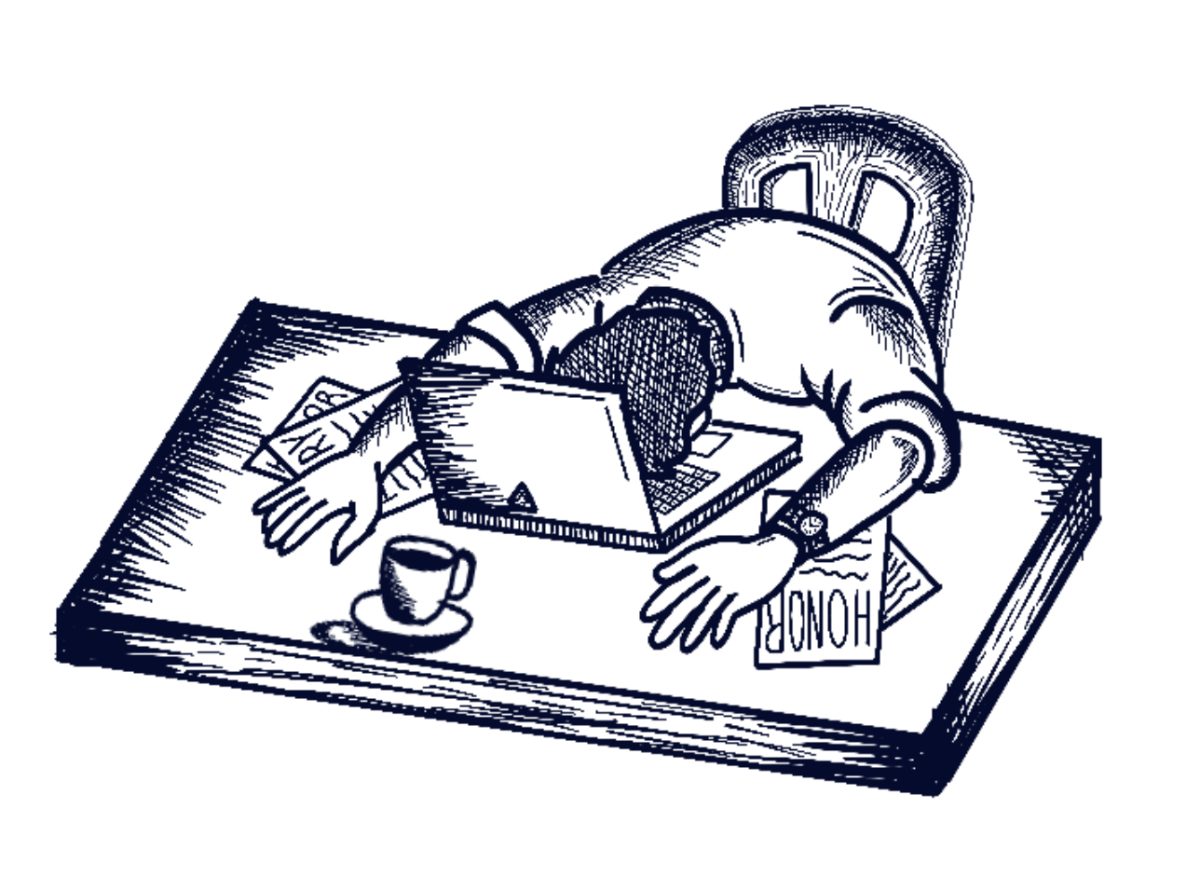
With such a large percentage of the grade taking the honors-level course, many students have said that assignments have become increasingly difficult to keep up with and impractical at times. “Honestly it’s just busywork. You can’t seriously argue that watching four Edpuzzles on the same topic is useful. It doesn’t really make sense,” sophomore Jake Waldorf said.
Sophomore Linnea Arnberg attributed her decision to drop from honors to the workload, not her lack of passion for the content. “I decided to step out of history honors because the workload became more constant busywork than meaningful learning, and I made the choice to focus on classes that seemed more productive,” Arnberg said.
On the contrary, the history department sees a deeper value in assigning a wider variety of assignments. The teaching team believes the variety in coursework is a deeper learning opportunity, not merely assignments that are mostly busywork. “Students should approach honors as an opportunity for growth and challenge, not just for a GPA boost. Teachers are working hard to expand students’ historical understanding through research, writing and alternative assessments, not just traditional tests,” Hanson said.
On a different note, Merlesena understands how students may feel as if the workload is inequitable across classes. He says the history department is working to make U.S. history classes less varied in terms of assignments and assessments. “We are absolutely hearing that feedback, [and] we’re going to continue to brainstorm and work together to make sure it’s a stronger course and better option,” Merlesena said. He also pointed out that the department’s recent approach of allowing every U.S. History teachers to take their own slightly different approach to the curriculum may contribute to the perceived inequity. “Moving forward, one of the goals of our team, across all the teachers, is to make sure that it’s literally going to be the same assignment schedule, […] starting in our next unit,” Merlesena said.
Dropping out of honors leaves no demarcation on report cards; while an opportunity that allows students to assess their situation and decide to go back to the more straightforward curriculum, alternative pressures still play a role in the situation for many students. Waldorf believes it’s hard for students to leave a course that the majority of their peers have opted into. Beyond the quad, students are facing family pressure and expectations to be a high-level student too. “I think a lot of people are more worried about what their parents would think,” Waldorf said.
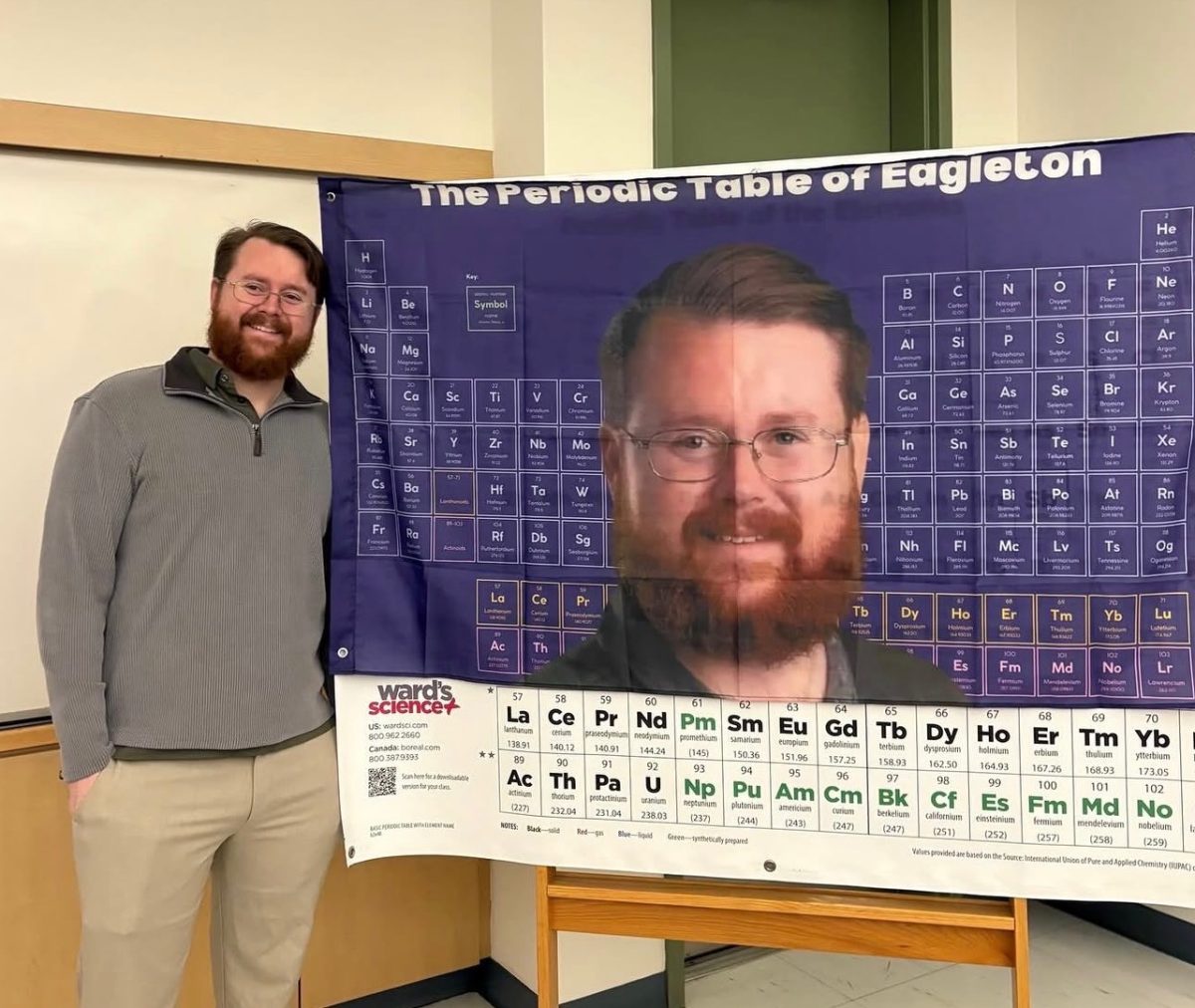
U.S. History teacher Trevor McNeil urges students to remember that an honors-level course is not for everyone, especially given students’ varying priorities and time commitments. McNeil has historically seen a significant drop in honors participation, with only 58 percent of his students remaining in the honors track as this semester closes. He offered advice on how sophomores should set aside social and parental pressure and assess their classes. “First, put your classes that you have in order of which you’re most excited about. If history’s not in the top five, don’t do honors. […] It’s just not worth it,” McNeil explained.
The history department urges students to reflect on the true meaning of taking the honors-level. “Again, is honors about distinction? Is it about a challenge? Is it about the grade, or is it about a love of history? And I think it should be about a love of history,” McNeil said.