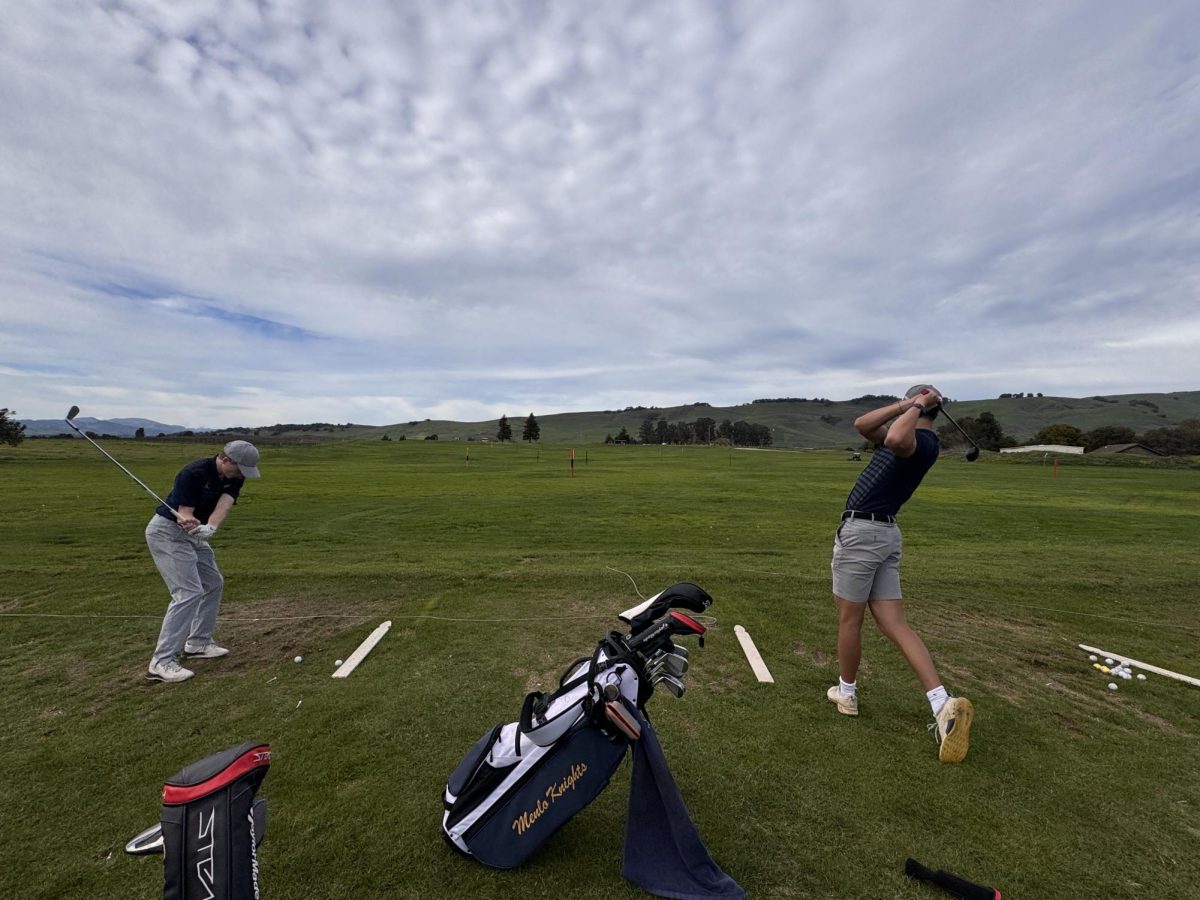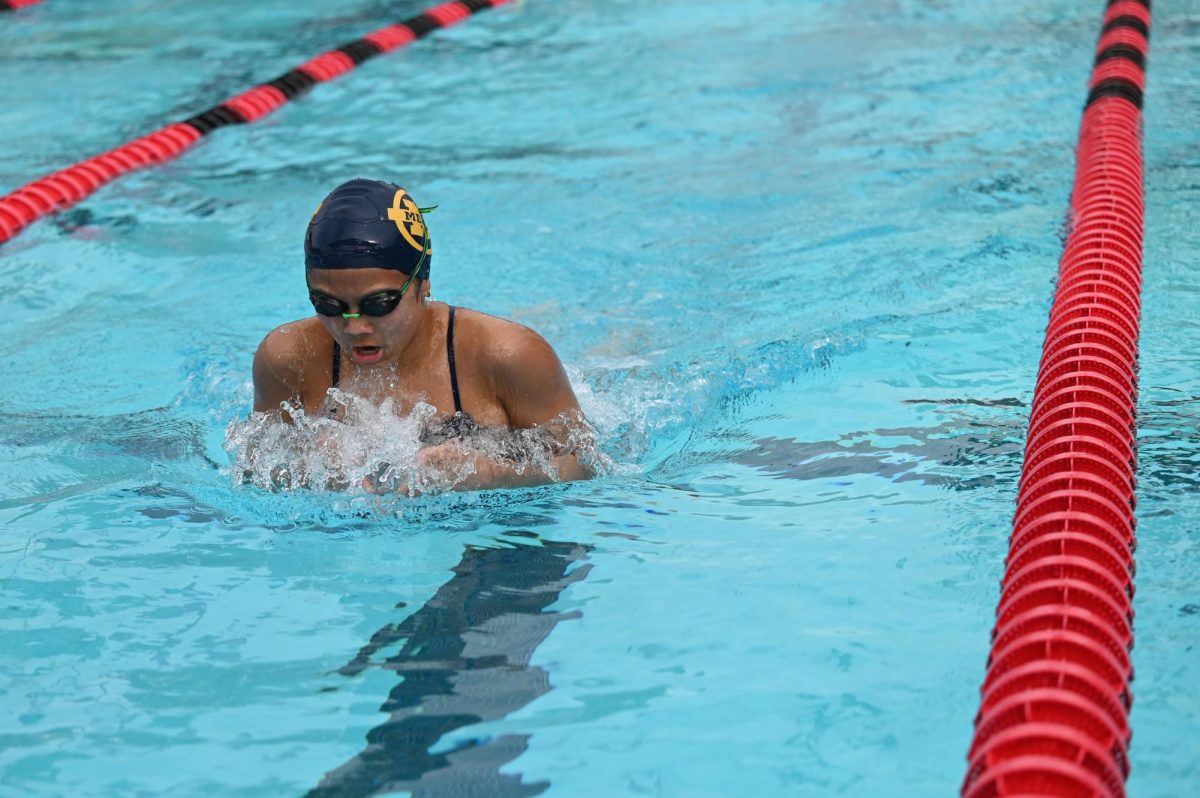


Before a Menlo athlete ever feels tired, sick or sore, the data already knows. Why? For the past three years, Menlo has implemented a GPS tracking system across its athletic programs, using wearable devices to better understand player performance, health and fatigue.
The system is overseen by the Menlo sports performance staff, which includes Daniel Hicker, Jamie Hegg and Cole Marmor. Hicker said this technology has primarily been used at the collegiate or professional level.
Hicker said the idea came from his experience working with the GPS trackers in Major League Soccer (MLS), where he was head of athletic Performance for the San Jose Earthquakes.
“The primary goal is intelligent load management where we are pushing adaptation without increasing risk,” Hicker said. The GPS trackers help understand what athletes are actually doing on the field and connect that information to training and recovery. “If we’re not collecting real data from the field, we’re missing one of the most important pieces of effective athlete management,” Hicker said.
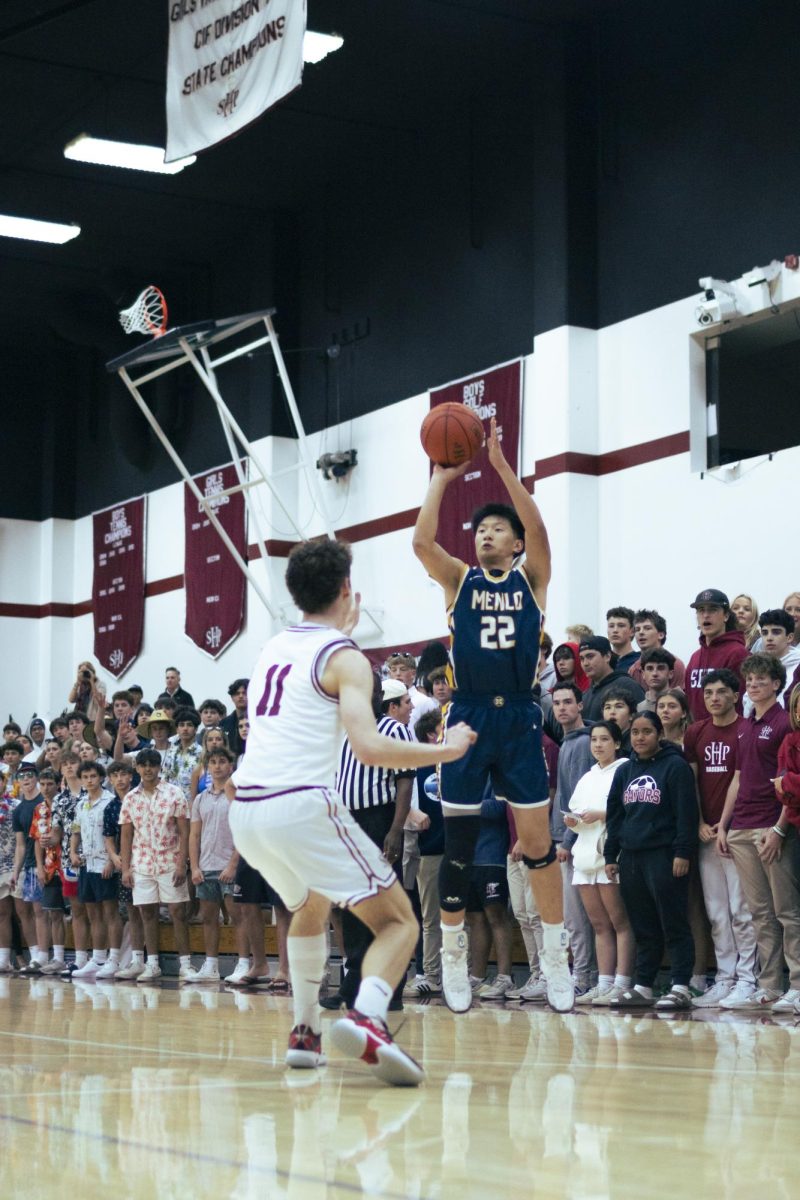
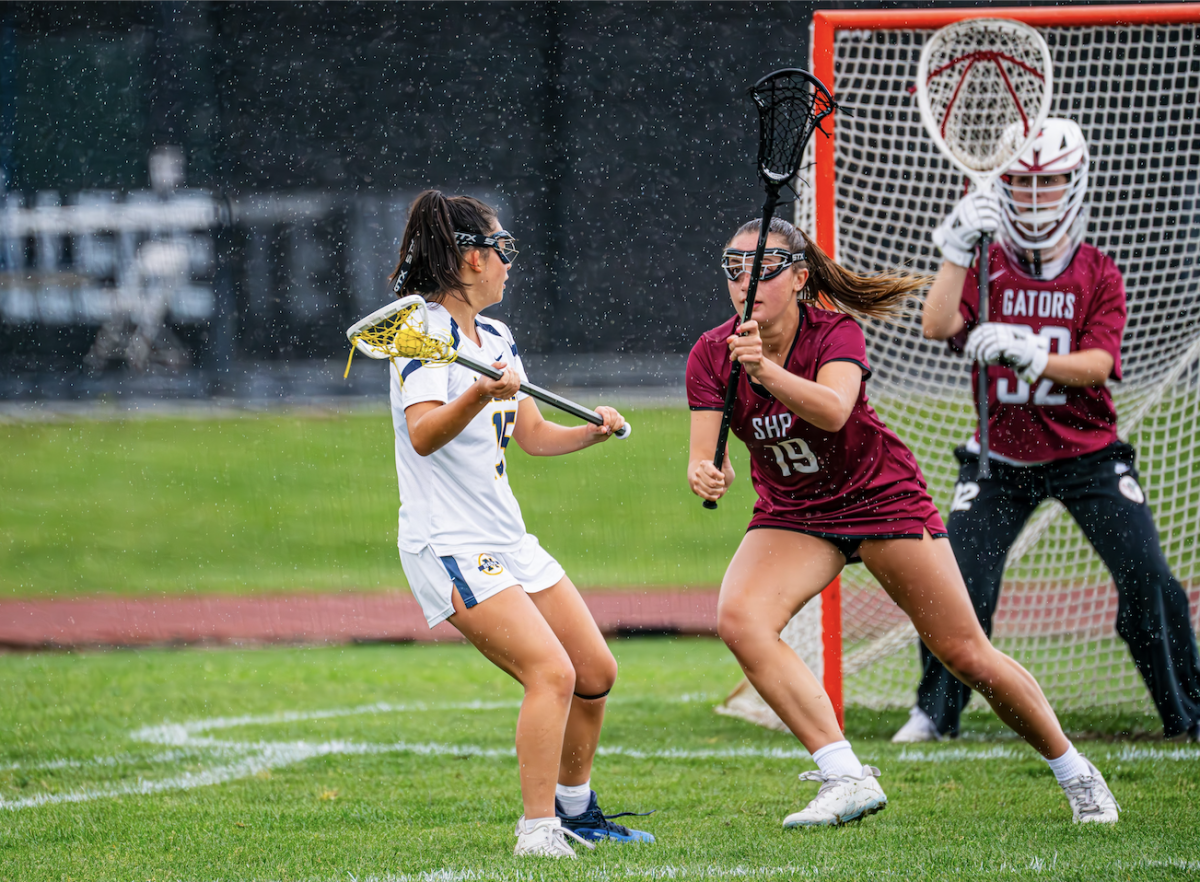
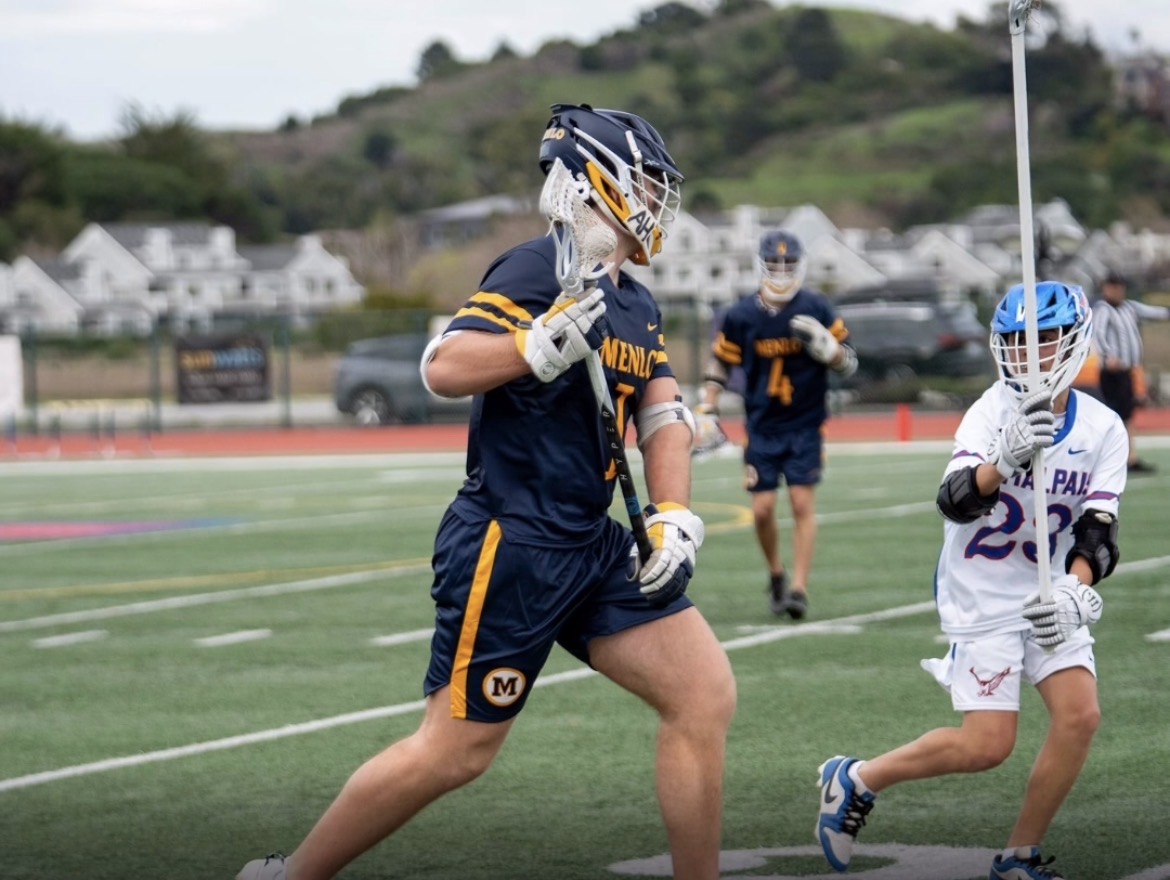
Menlo’s GPS program started with a donation of eight tracking units. These were first used with the varsity boys soccer team as a trial run in Jan. 2023. After a successful trial run, utilizing the data to help athletes recover faster, the program gradually grew. It first expanded to track movement of football and lacrosse players and eventually full rosters across multiple boys and girls teams.
The device measures factors such as distance covered, maximum speed, acceleration and overall workload. According to Hicker, this data helps staff understand which muscle groups are being stressed, allowing them to focus on recovering those groups while working on other areas. For example, Hicker would put more focus on the hamstrings during a lift if the data showed that the team had heavy quad exertion. “When athletes stay healthy, performance takes care of itself,” he said.
“The GPS trackers have definitely played a positive role in my performance this season,” sophomore varsity soccer player Ryder Shaw said. “It allows me to know when to push myself or to focus on my recovery, which has helped me stay healthy throughout the season,” he said.
After practices and games, the data is reviewed for weekly trends rather than single-day results. Hicker explains that the data allows him and his staff to determine when athletes should train harder and when recovery should be prioritized. “We share this information with coaches so they can plan with intention. If it’s the day farthest from competition, we can push a little more. If the data shows fatigue, we adjust and pull back to protect the athletes.”
Hicker emphasized how the data is meant to inform rather than dictate coaching decisions. He also believes that the GPS tracking was crucial to the boys varsity soccer team’s playoff success last year, as they were able to keep their athletes as healthy as possible.
Hicker said long-term data tracking is especially important for athletes who play multiple sports or log heavy minutes. A player can’t contribute if they’re sidelined, which is why the GPS system plays a vital role for Menlo athletic teams. “The best ability is availability because you can’t contribute if you’re not on the field,” Hicker said.
According to Hicker, the technology was able to predict an athlete’s approaching sickness. “In some cases, we can see the warning signs in the data before symptoms show up. A day later, they were sick. The metrics had already told the story,” Hicker said.