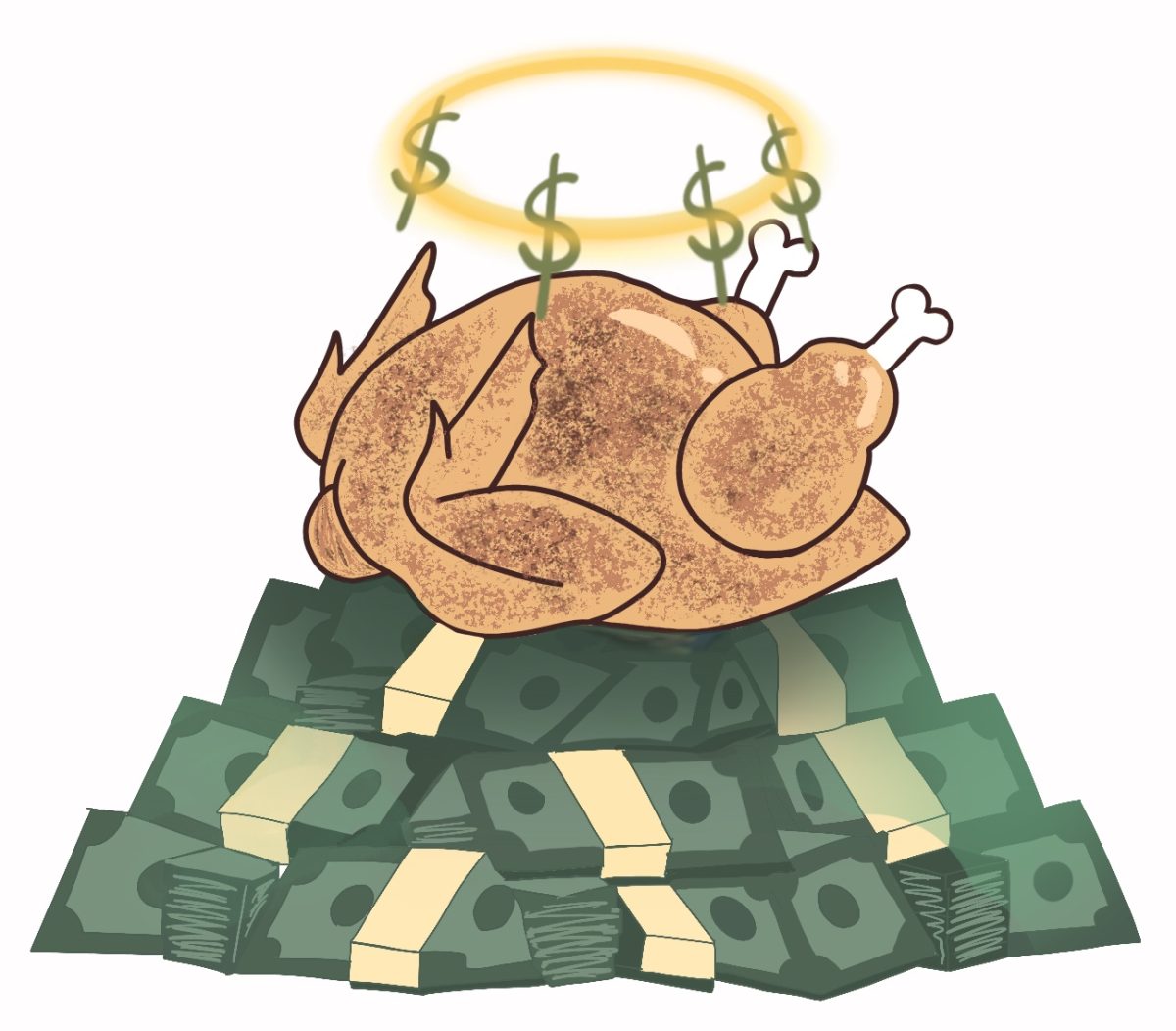

Immediately following the Sept. 10, 2024 presidential debate between Kamala Harris and Donald Trump, Taylor Swift publicly endorsed the Harris-Walz campaign on Instagram to both her 280 million Instagram followers and the general public. In the hour following her post’s release, the nonprofit voter registration site she linked within the post, Vote.org, reported a 1,226% increase in site participation. A study from Northwestern University found that Oprah Winfrey’s endorsement of Barack Obama in the 2008 democratic primary earned Obama nearly a million votes he wouldn’t have had otherwise. It’s clear: celebrities wield a unique kind of influence when it comes to increasing voter turnout and inspiring civic engagement.
But while their influence can be a gift to society, it can also be a curse, so celebrities should carefully consider how and to what extent they take advantage of their platforms. At the same time, we, as the general public, should aim to hold them accountable without crucifying them for their choices.
Celebrity activism isn’t new. In fact, the concept dates back to Ancient Greece when renowned poets and musicians would align themselves with political figures or infuse their art with political messaging. But we are now reaching an era where controversial political topics seem to infiltrate every aspect of mainstream entertainment and pop culture. The effect of that? Celebrities’ roles in sparking political discourse across their platforms are increasing exponentially. Even at the 2026 Grammy Awards, multiple high-profile celebrities used their acceptance speeches to denounce the current administration’s immigration policies, marking one of the most explicitly political Grammy awards ceremonies to date.
But the same visibility allowing celebrities to drive voter turnout and raise political awareness can have devastating public and professional consequences. Country music band The Dixie Chicks, since renamed The Chicks, faced severe professional and community repercussions after denouncing American involvement in the Iraq War during President George W. Bush’s second administration.
This pattern even extends to athletes, where players like former San Francisco 49ers quarterback Colin Kaepernick encountered backlash from the Trump administration after taking a knee during the National Anthem in 2016 to protest systemic racial injustice and police brutality, a move that effectively ended his NFL career. We, as their audiences, should encourage celebrities to stand up for what they believe in, not penalize them when their beliefs differ from our own.
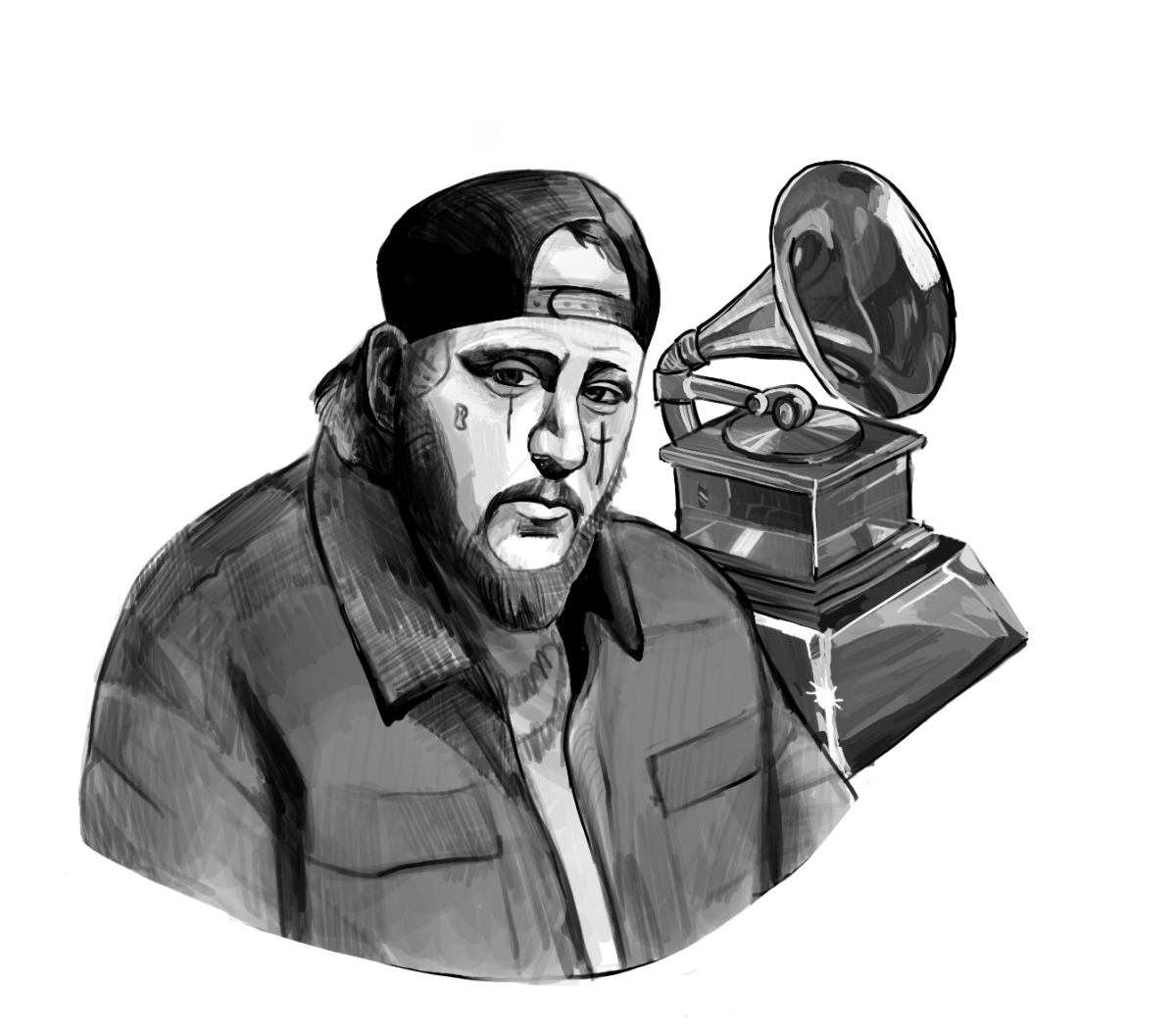
And while some celebrities are penalized for speaking up, others are vilified for their silence. After the 2026 Grammy Awards, rapper Jelly Roll was met with scrutiny, backlash and pressure from fans and critics after deliberately deciding not to publicize his political views. “People shouldn’t care to hear my opinion,” he said after being asked about his thoughts on the state of the country. “I just feel so disconnected from what’s happening [politically].” While our culture tends to interpret silence as complacency or implicit approval of contemporary issues, I appreciate Jelly Roll’s ability to recognize his lack of political expertise and to use his platform responsibly. Celebrities who back certain candidates or criticize political issues without the proper knowledge often undermine their own credibility and authenticity. Endorsements feel hollow when they’re about maintaining an image instead of expressing a real belief.
While celebrities have the responsibility to leverage their influence to produce awareness, healthy discussion and democratic participation, they should do so only with genuine passion and adequate information. We should not penalize celebrities who choose to stay silent if they are lacking either of those qualities, because in doing so we encourage performative activism without real impact. And ultimately, it is unrealistic to require activism from individuals whose livelihood stems from their ability to entertain or create.
So to celebrities, please use your voices and your platforms, but only with the intent to spark real change, not bolster your image or stir up controversy. To audiences around the world, I encourage you to call out celebrities who practice performative activism, appreciate when celebrities use their platforms to produce awareness and consider their occasional silence not as a sign of complacency, but as a sign of maturity.