

I often think about my peers and the jobs we might have someday and the same thought continues to cross my mind: “AI could do that.” In the rapidly advancing age of AI, the future feels more uncertain than ever. It’s hard for me to even picture my future, but when I try and imagine what my working world will look like, I imagine that everything is done by AI. No one can say for sure what lies ahead; we can only guess. But those predictions are already pessimistic at best and horrifying at worst. According to Ford CEO Jim Farley, AI will “replace literally half of all white-collar workers.” The sad truth is that AI is coming for many entry-level coding and customer support roles.
I want to explore the common anxieties our generation might feel towards AI and the workforce, and try to understand what we may be dealing with when we enter the working world ourselves.
Many Gen Z individuals like myself have grown up alongside AI. We’ve watched it move from a distant concept in sci-fi movies to a tool that can diagnose illnesses, make two random people kiss (thanks, Snapchat Imagine) and create videos of Jake Paul. It’s both hilarious and terrifying. Yes, AI has the potential to make miracles happen. It can cure diseases and power self-driving cars. But what happens to the humans who have spent their lives gearing up for these roles?
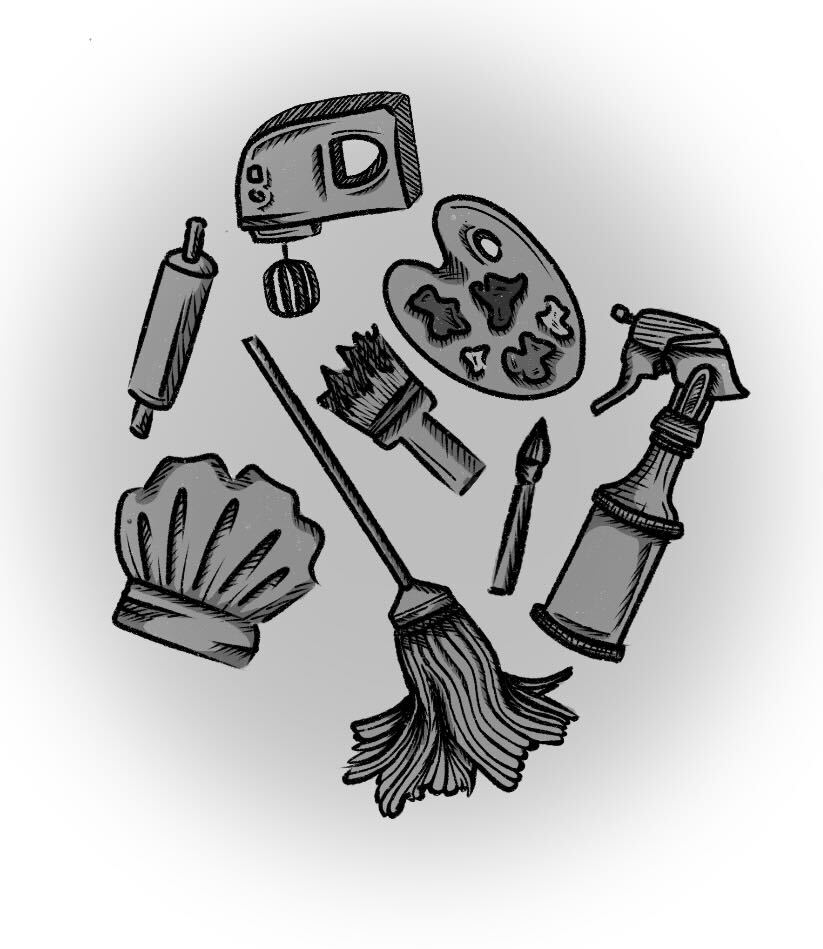
For students today, our fear isn’t just about robots conquering us; it’s about having our careers replaced before we even try to work. Imagine spending years studying to become a lawyer or designer, only to find out a computer can do your work in seconds.
That’s the catch. The rise of AI doesn’t just feel like a technological shift; it feels like a threat to all the hours people have poured into learning and building something meaningful. When you’ve grown up being told to work hard, it’s unsettling to watch a machine do those things faster and cleaner than you. If AI continues to accelerate, by the time my class reaches the workforce, will there still be jobs that we worked for?
But here is what you must remind yourself: creativity, empathy and original thought are still very human. All AI can do is mimic patterns. What it cannot do is make genuine feelings or invent meanings. Those genuine feelings are the messy human mix of emotion, memory, insecurity, excitement and perspective that shows up when a person makes something they care about. A journalist who uses AI to analyze the news still has to decide what stories matter to them and their audience. An artist might use AI tools to create an art piece, but the feeling that comes with it must come from experience, not code.
By the time 2040 arrives, AI won’t be a tool. It will be a collaborator. The challenge for our generation is to find balance: learning to coexist with intelligent machines without losing the curiosity and emotion that make us human. If we can do that, maybe the future won’t be so unpredictable after all. It might be more creative than ever.