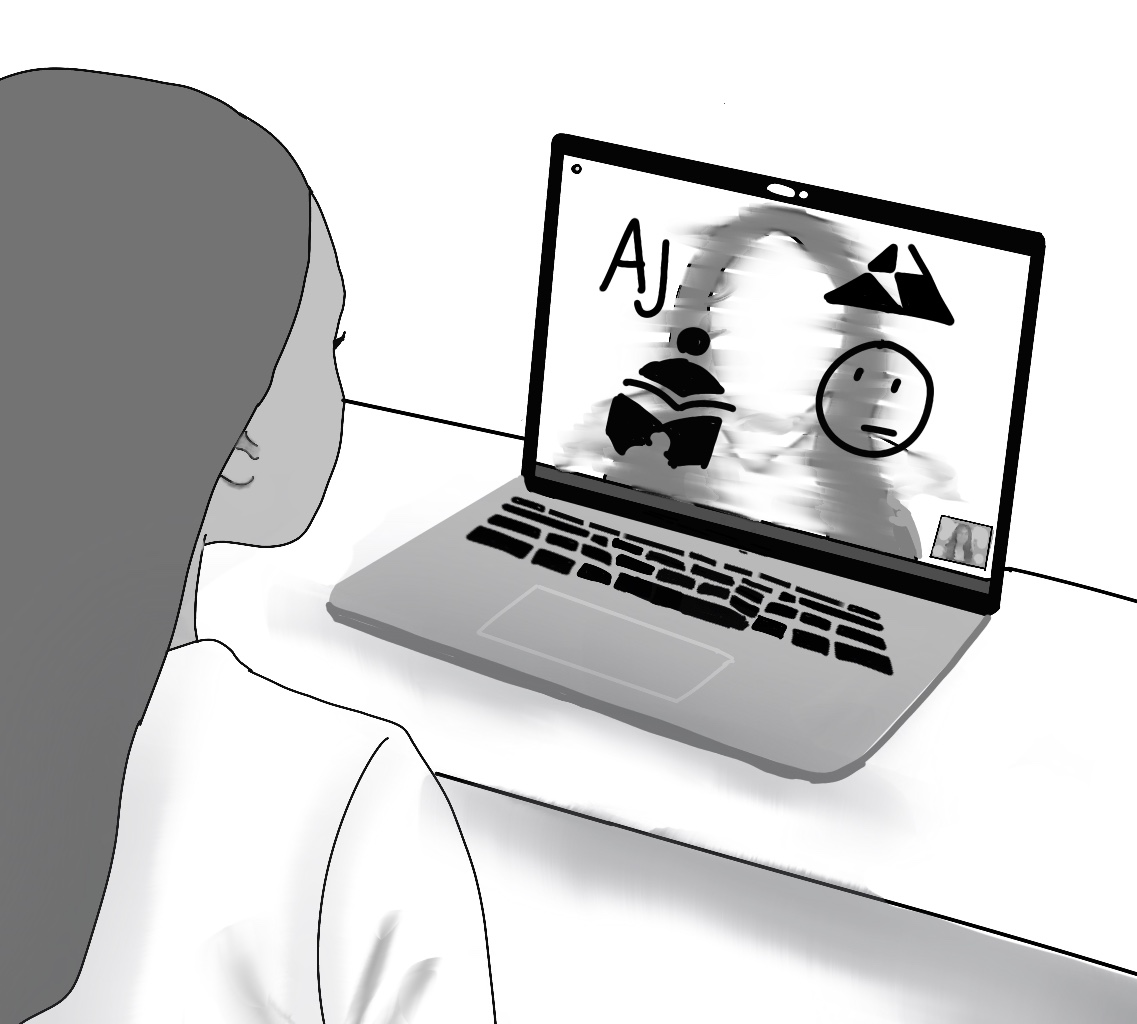


For some Menlo students, coffee isn’t just an occasional treat, date idea or boost of energy before a test — it’s a daily routine. Whether it’s a cup in the morning before school or a midday refreshment from Starbucks, many high schoolers use some form of caffeinated drink to get through their daily classes. But as coffee addictions grow, so do the questions of cost, efficacy and health. As students balance their academic, social and athletic lives, coffee can either become a useful tool or an unhealthy disruptor.
In an email to The Coat of Arms, freshman Addi Bruni said that coffee and other energy drinks are what help her stay energized before her sports practices. As a student-athlete, it’s important for her to have a lot of energy, whether it’s to play her best or avoid injury. Bruni, who plays on the varsity girls soccer team and plays club soccer year-round, said that drinking coffee daily or every other day allows her to stay focused through her rigorous classes and long practices. “[I either have] one coffee a day or half an energy drink,” she said.
Although many students enjoy these drinks daily, some are beginning to question both the cost and health impacts of their habits. Junior Ariya Kaushek, a runner on the varsity girls cross country and track and field teams, estimated that her caffeinated drinks cost her over $50 a month. “There was a point where I was pretty addicted [so much so] that if I wasn’t drinking an energy drink every day, I could definitely feel the difference,” Kaushek said. “I would just feel lethargic and very tired.”
Sophomore Dasha Sokolova said that her monthly caffeine spending is even higher, around $80. Bruni admitted to regularly spending over $100 a month.
According to the Mayo Clinic, studies show that overconsumption of or even regularly drinking coffee can have adverse side effects. While it
does keep you energized, even a little bit of a caffeine-loaded drink can make you jittery, unable to sleep and irritable.
But despite these risks, many Menlo students continue to justify their purchases, citing the energy boost as worth the price – and the health tradeoff.
“Whether I want to admit it or not, I’ve become so used to the feeling of having an energy drink,” Kaushek said. “I convince myself that it is really effective.”
Others raise concerns around the cost and healthiness of consistent caffeine consumption. Junior Ariya Kaushek, a runner on the varsity girls cross country and track and field teams, estimated that her caffeinated drinks cost her over $50a month.
Meanwhile, sophomore Dasha Sokolova said that she spends about $80 a month on caffeinated drinks. Bruni reported that she herself regularly spends over $100 per month.
Costs aside, some students like Kaushek still see coffee as a healthy alternative to other caffeinated drinks, namely energy drinks like Red Bull, Celsius and Monster. “There was a point where I was pretty addicted [so much so] that if I wasn’t drinking an energy drink every day, I could definitely feel the difference,” Kaushek said. “I would just feel lethargic and very tired.”
According to the Mayo Clinic, studies show that overconsumption of or even regularly drinking coffee can have adverse side effects. While it does keep you energized, even a little bit of a caffeine-loaded drink can make you jittery, unable to sleep and irritable.
It’s a feeling that Menlo students admit to being familiar with all too often. “I know energy drinks are really bad for me, however, despite that, I still seem to invest in buying [them] every week,” she said. “Whether I want to admit it or not, I’ve become so used to the feeling of having an energy drink […] I convince myself that it is really effective.”