
Menlo is situated in a geographical tutoring hot-spot. The private tutoring industry has been thriving in the Bay Area for years, with one of the highest densities of “boutique” tutoring companies in the United States, which offer one-on-one, specialized coaching sessions. Meanwhile, peer tutoring in Fortress, The Learning Center, and teachers’ tutorials provide opportunities for academic help, embedded in Menlo’s curriculum. Students are taught by Menlo, starting very early on in their freshman year, how and when to ask for academic coaching. So why do students turn to private companies when private schools like Menlo provide similar support at no additional cost?
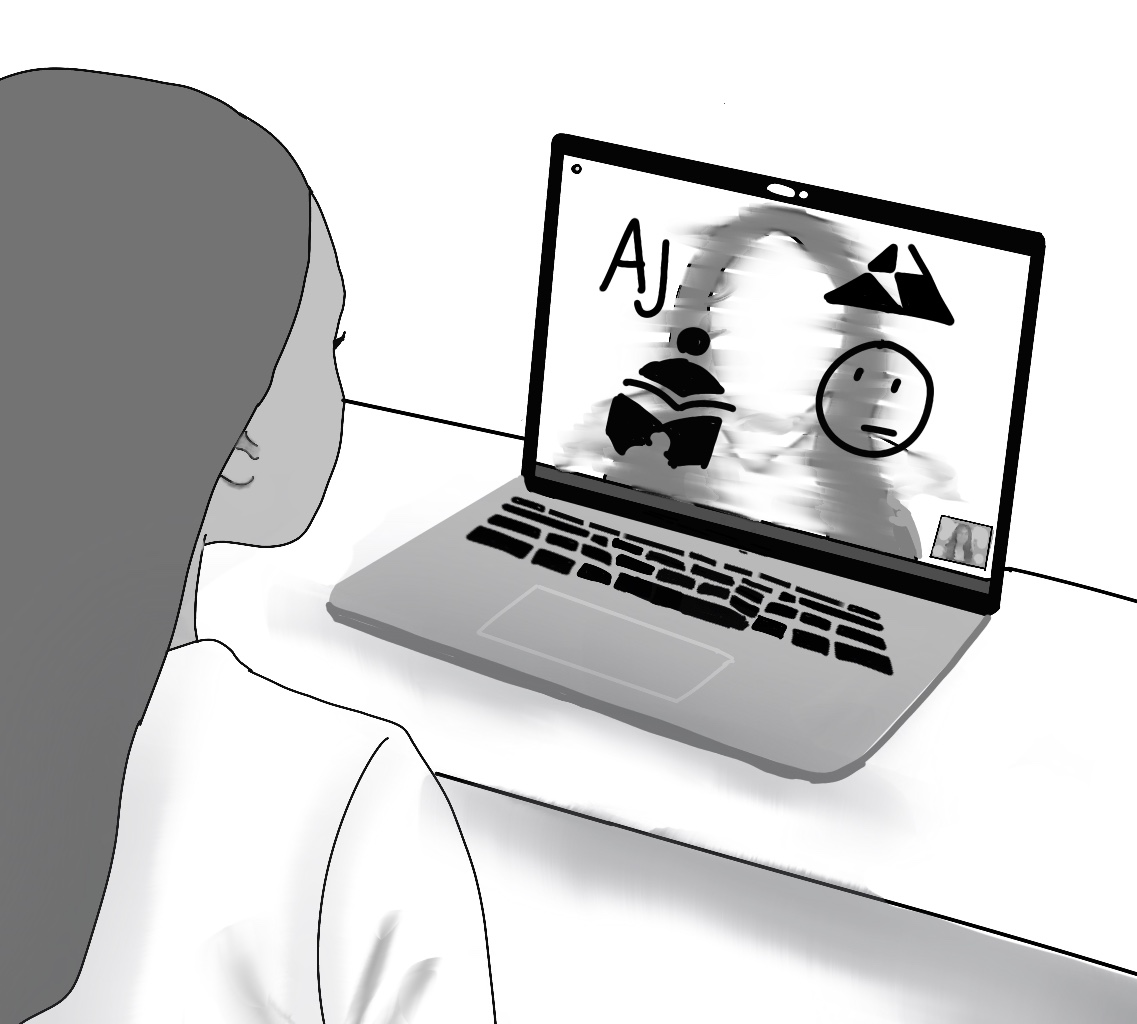
Private tutoring wasn’t always a superpower in the Bay Area. The COVID-19 pandemic accelerated the growth of the private tutoring industry nationwide. School closures and rapid switches to remote learning prompted a significant increase in demand for one-on-one private lessons, particularly in foundational skills for students in kindergarten through eighth grade, according to Technavio. In addition to fears about students falling behind, online meeting platforms became popular. According to CNBC, Zoom’s daily participants skyrocketed from 10 million in December 2019 to over 300 million by April 2020. Now, an estimated 70% of tutoring companies offer online options, boosting enrollment through greater flexibility.
“I know that many families do engage [with] tutors,” Upper School Director John Schafer said. “If you do a Google search of tutors in Menlo Park, you’ll get hundreds and hundreds and hundreds of hits. It’s a multi-billion dollar industry.” While private tutoring has become more readily available, the price has only increased. Bay Area tutoring costs average $80 to $120 per hour, higher than the national average of $70 per hour.
While Schafer doesn’t discourage Menlo students from outside tutoring, he doesn’t directly support it either. He said has a go-to joke ready whenever freshmen parents ask him about the subject. “‘You already pay enough tuition. You shouldn’t have to pay more for tutoring.’ They all laugh, but there’s something to it,” he said.
Sophomore Emma Ng started going outside of school for tutoring after her parents encouraged her to get one for chemistry. “I think it helps, but I also think having someone who took the exact class is also helpful,” she said, comparing her experience to Menlo’s peer tutoring program.
Junior Celina Chen is a peer tutor and leader of the Writing Center at Menlo, but she also runs her own tutoring company outside of school. “The pros of Menlo peer tutoring are [that the] Menlo curriculum is not very replicated among other schools, so an older student might be more effective since they know how to succeed in that specific class,” she said. “The main issue, though, is that [peer] coaches only really offer after-school times, and people have sports, or they take the bus.”
“Paid tutoring is a little more consistent. [For example,] you can meet every Tuesday at 6 p.m. for two hours,” Chen said, when comparing Menlo’s offerings to private tutoring. Chen also notes that the appeal of having a qualified expert, rather than a student coach, is greater for people struggling with a subject.
Mr. Schafer advises Menlo parents to evaluate why they want an outside-of-school tutor. “There are some students who have learning challenges, or they get overwhelmed, which I understand,” he said. “But getting a tutor might send a message to your kids that [their] best is not good enough. […] Those are not necessarily the messages you want your kid to draw on early in high school.”