

It was another evening in eighth grade, sitting at the kitchen table with my report card unfolded on the table between us. Despite my efforts, despite staying up late studying and asking teachers for extra help, my parents’ faces showed no pride. When I finally found the courage to tell them how much their approval meant to me, how I’d spent years waiting for praise that never came, their response was swift and final.
“There’s nothing to be proud of.” The words hung in the air with finality — a lasting verdict. I had asked for something so simple, yet so precious to me. Just some recognition that I mattered. But their matter-of-fact response cut deeper than any direct criticism ever could.
This conversation marked the lowest chapter of my adolescence, though my relationship with depression began much earlier.
Before COVID-19 hit, I hugged my friends constantly. We sat in circles at lunch together, connected not only through our friendship but by physical closeness. I didn’t realize how much I would miss the feeling of having actual people around me and how much I would crave it when it was stripped from me.
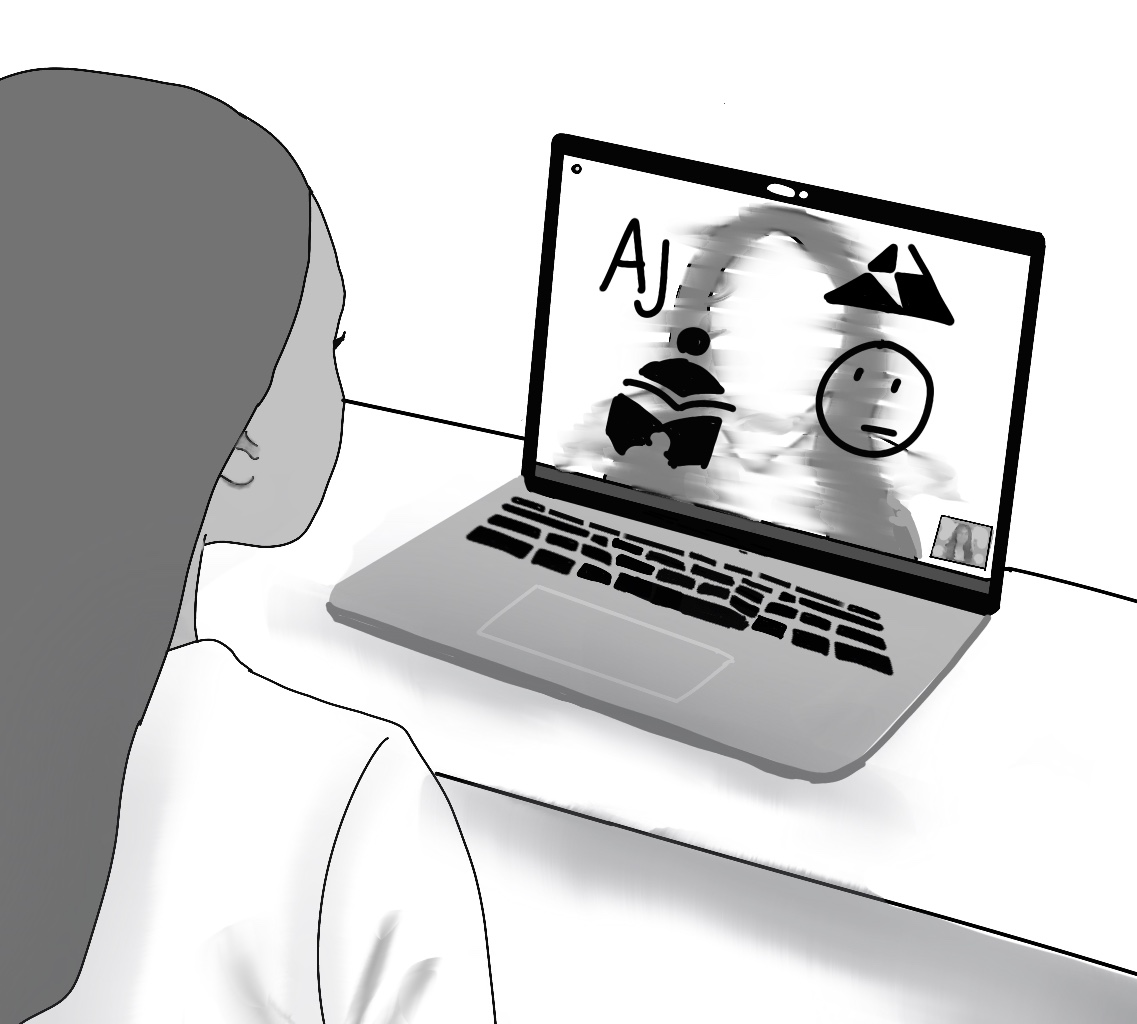
March 2020 found me confined between the four walls of my bedroom, with only stuffed animals for company. I was so desperate for human connections that I’d spend hours on my computer, searching for random people online in threads and video games who would listen or respond to me.
My parents didn’t understand my misery. They saw my need for digital connection as reckless, irresponsible and dangerous. When they caught me talking to people online, they scolded me. Though their admonition came out of love and concern for my safety, their words hit me hard. I had sought their approval my whole life — disappointing them felt like losing a part of myself.
I grew up in a household where achievement — whether academic or athletic — was everything; emotions and mental health were something meant to be kept to yourself. When I struggled, I felt like I was sinking into the depths of an ocean, with no hand to pull me out. I’d wonder if this was what the rest of my life would feel like. But my older sister became the person that lifted me out. While my parents dismissed my struggles, she was the one person who truly listened. She never tried to fix me or offer empty reassurances. Instead, she simply sat there. “You’re not being dramatic,” she’d tell me when I doubted myself. “What you’re feeling is real.”
It took months of endless assurances before my sister decided to act on my behalf. She approached our parents not once, but several times. Despite their initial reluctance, her advocacy encouraged them to invest in therapy.
But the real breakthrough was when my therapist asked to speak with my parents. My therapist had explained to them what I had been going through, helped them understand that the isolation and depression weren’t flaws or signs of being a bad daughter. More importantly, my therapist helped them see that what I needed wasn’t criticism — it was encouragement and support.
Slowly but steadily, the harsh words stopped, and wellness check-ins became part of our daily routine. This time, I could tell that their support was out of love, not obligation. But the most impactful change came in their words: “I am proud of you,” my mother said to me one afternoon. These simple words hit me like a wave; they echoed within me, and I felt years of tightly held breath finally release.
The act of being heard truly began my healing process. Looking back, I wish I had understood earlier how much simply talking to other people could help. So don’t let fear hold you back, even if the world around you says you should be afraid. The courage to seek support might feel impossible, but it’s often the first step toward a completely different life.