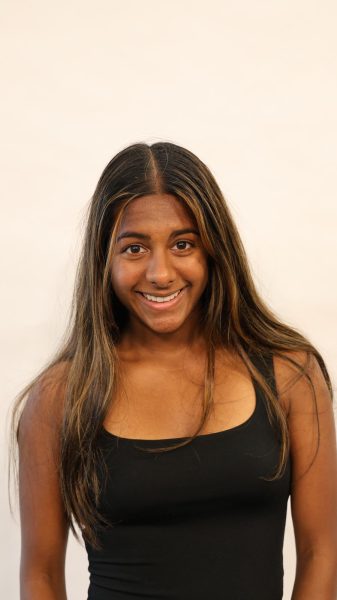


For senior Chase Edwards, walking into Capitol Hill this summer not only marked the culmination of living with type 1 diabetes for more than a decade, but also his fight for a cure.
Diagnosed at age five, Edwards has spent much of his life involved with the non-profit organization Breakthrough T1D, which aims to make type 1 diabetes a condition of the past. Edwards was among 170 youth delegates selected to speak to Congress about funding research for a cure this past July.
Edwards believes that the program holds value for youth with T1D, along with people outside of the community. “It’s a great opportunity to make an impact on people with type 1 diabetes,” he said. “You get your story out there in front of the most important people who can make a difference.”
Though he applied to the program at 8-years-old and was not selected, he wasn’t deterred from voicing his insight on the issue. “This program really meant a lot to me. Of course, diabetes affects my life so much, [so] I felt really honored to […] have my voice make a difference,” Edwards said.
Edwards’ efforts to gain funding for a type 1 diabetes cure don’t just pertain to him; his father has been living with the condition for over 30 years. “It’s not just me, but my whole family has really been affected by this, which makes it mean so much to me,” Edwards said.
Because type 1 diabetes has been part of his family for as long as he can remember, Edwards doesn’t really know life without it. “But that’s not the case for millions of Americans. A lot of them are scared. They don’t know what to do or what resources are out there. […] Having support out there is the most important thing,” he said.
Despite his efforts to live a “normal” everyday life, managing type 1 diabetes is a 24/7 responsibility. He checks his blood sugar every morning, administers insulin with meals and sometimes has to sit out of activities when his blood sugar dips too low. “There’s a lot of stuff that I can’t do that a normal kid would be able to do. […] But I think it’s more of the fact that [type 1 diabetes] has so much control over my life,” Edwards said.
Still, life with type 1 diabetes isn’t all bad. It has led him to meaningful experiences — including meeting Senator Susan Collins, a major force behind the search for a cure. “Being able to go meet these people, especially someone like Susan Collins, is like, ‘wow, this is actually important.’ It was surreal,” he said.
Edwards’ advice to other young people living with chronic conditions is simple: speak up, and remember you’re not alone. “There are so many communities for people who have chronic diseases,” he said. “I definitely felt [alone] when I was a young kid, and just having that support out there is the most important thing for anyone with diabetes.”
For those not living with type 1 diabetes, Edwards says advocacy can be as small as showing you care. “I really love it when someone comes up to me and says, ‘Oh hey, you have diabetes — I just want to let you know that I’m here for you.’ I guarantee that so many people would love that expression of solidarity coming from a classmate,” he said.